

"The simplicity and affordability of
Just Cremations Perth's services lifted our
financial worries, giving us peace
of mind during a really hard time."
Brad
Cremation from
only $2995



Unique
Memorials
Our team are waiting to answer your calls on 1800 65 35 95.
Or Email us at info@justcremations.com.au
JUST
think of cremation packages as a way to simplify the
<!---->planning process and take care of everything in one go.
NO SERVICE
If you prefer not to hold a Funeral Service,
direct cremation serves as the perfect choice.
“When we lost our beloved sister, we knew we wanted a cremation and to host our own memorial service when the time felt right. Just Cremations not only respected our wishes but guided us through the process with compassion and understanding. Their team was professional, accommodating, and made an overwhelming situation manageable. We were able to focus on grieving and planning a heartfelt service on our own terms, knowing the cremation was being handled with care and respect. For anyone looking for a ‘cremation-only’ service, we wholeheartedly recommend Just Cremations”.
David

PRIVATE TIME
up to 10 people
Low cost option if you have a small family and don’t expect a large attendance.
“The private time cremation package provided great comfort for our family. With most of our relatives living overseas, having a private moment to say goodbye without any outside distractions was important. Being able to have up to 10 family members present made it an intimate and personal way to honour our mother.”
Amara

FULL SERVICE
for families who want a full funeral service,
with no limitation on the number of people
who can attend.
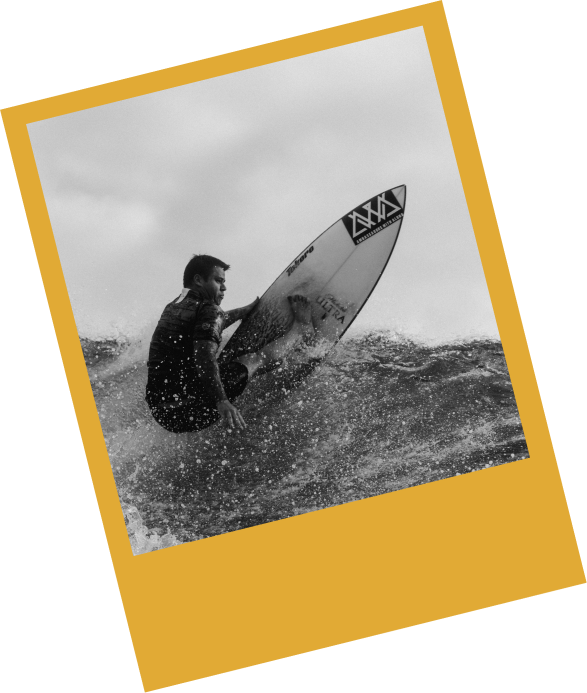
“Honouring my son’s memory in a way that reflected the love and joy he brought into our lives was important to me. The full service was perfect it allowed our family community to come together and celebrate Brad’s life with no attendance limitations. The staff was compassionate and supportive, guiding us through the planning process and taking care of every detail. Giving my son the beautiful farewell he deserved. surrounded by the people who loved him, was a source of gratitude for me.”
Michelle

JUST
not ready to face anyone?
You can do it all online.
eCremate is exclusive to Just Cremations Perth,
you can plan the direct cremation, complete the forms and make payment easily online.
Save $500 by planning everything online!
“During such an emotional time, planning a cremation online was a blessing. Being able to avoid face-to-face interactions at a funeral home gave me the space I needed to cope with my grief. The process was simple and efficient, and I’m thankful for the ease and convenience it provided during a difficult time.” Andrew
When you do not wish to have a funeral service,
a direct cremation is the ideal option.
Unique to eCremate by Just Cremations is our online
planning and cremation service.
Everything can be done online using our simple planner.
Just
Environment
Choosing cremation can be beneficial for the environment as it helps conserve land resources. Traditional burials require large plots of land for cemeteries, contributing to deforestation and habitat loss. Cremated remains, by contrast, require no land, and can be used as a nutrient source for planting a memorial tree, which many of our clients do to remember their loved one.
Furthermore, by having a cremation the JUST way, you will save on the wasteful use of valuable timber resources by using a recycled cardboard coffin.

It was Just what we were looking for...

"Highly recommend Just Cremations Malaga. Beth and the other staff seem genuinely passionate and caring. They accommodated our family's requirements so beautifully and without unnecessary costs for things we didn't need".
Shirley Mei Su
"We had a really beautiful experience here after the death of our dad. Beth was extremely kind, helpful & accommodating and made the whole process as easy as possible".
Rachael Ridges
"I have had the best service from this place. I had to arrange a cremation for my mum and this place was so helpful nice and friendly, they have great staff. A big thanks to Eileen from the Malaga office. A great business to deal with".
Kevin Matthees
"Recently we had the prepaid cremation for my mother-in-law at Just Cremations. Staff at Malaga and Redcliffe were not just professional but very friendly, kind, helpful and understanding and it all had a very genuine feel. Made what was a difficult time go smoothly for all of us. Thankyou to everyone involved".
Janice Grieve
"Just Cremations were wonderful. Considerate and kind. Very professional. My family and I recommend them so highly. We are so grateful. They made a difficult, sad time with the passing of my Mother so much more bearable".
Catherine Halligan-Jolly
"Our family were provided with an excellent service by Nicole and the team. Everything we could need was offered without any hard selling and we ended up with exactly what dad wanted. Throughout the whole process we were treated with respect and kindness".
Nicolette Birbeck